EV Owners Beware! Chargemap Data Breach Exposes Millions of Users to Convincing Phishing Scams
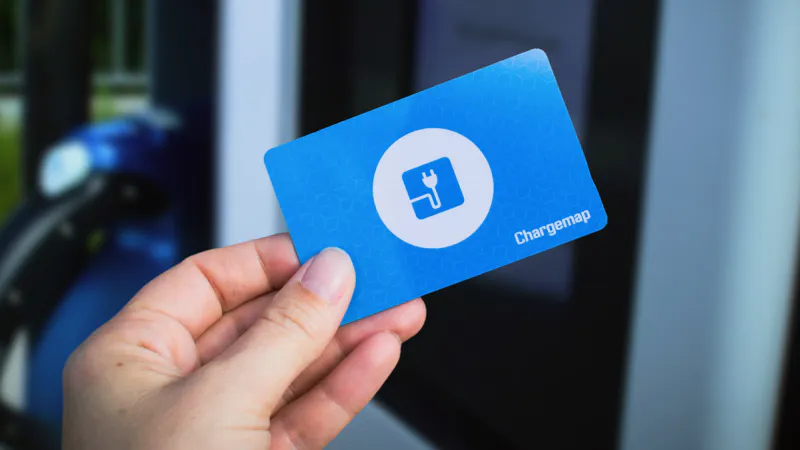
If you drive an electric vehicle and rely on public charging networks, you need to pay close attention. Chargemap, a popular French platform used by over 3.5 million EV drivers across Europe to find charging stations and manage charging passes, has just fallen victim to a major cyberattack.
The company recently started notifying its users about a data breach that exposed a significant amount of personal information. While the attack doesn't mean your bank account will be immediately drained, it does open a dangerous door for cybercriminals to target you with highly convincing scams.
The Timeline of the Breach
According to Chargemap, the unauthorized access occurred on November 8, 2026. The company detected the incident on November 10 and managed to patch the security vulnerability by November 12. The French data privacy watchdog, CNIL, has been notified, and Chargemap states it is implementing additional security measures to prevent future attacks.
What Was Stolen and What Is Safe?
To prevent panic, it is crucial to understand exactly what the hackers got their hands on. Chargemap has clarified that not all user data was compromised.
- What WAS Stolen: Hackers accessed email addresses, usernames, home cities, profile pictures, dates of birth, and phone numbers. Technical identification codes and subscription types might also be compromised.
- What Is SAFE: The company confirms that payment data, physical home addresses, invoices, and charging session history were NOT stolen. Most importantly, passwords were not stolen in a readable format (they are likely hashed).
The Real Danger: Highly Targeted Phishing Attacks
Even without your password or credit card details, the stolen data is a goldmine for scammers. In the cyber security world, this is the perfect setup for a phishing attack.
Because the attackers now know your name, email address, and phone number, they can craft messages that look incredibly legitimate. You might receive an email or a text message that says something like: "Urgent: Your Chargemap account has been suspended due to a recent data breach. Click this link to verify your identity and secure your account."
If you click that link, you will be taken to a fake website that looks exactly like Chargemap, where you will be asked to enter your password or payment details. Once you do, the hackers will steal your credentials and potentially drain your bank account.
How to Protect Yourself Right Now
If you are a Chargemap user, do not wait for a suspicious email to arrive. Take these proactive steps immediately:
- Change Your Passwords: Even though Chargemap states passwords were not stolen in plain text, it is a standard best practice to change your password immediately. Crucially, if you use that same password on other websites, change it there too. Never reuse passwords.
- Enable Two-Factor Authentication (2FA): If Chargemap offers 2FA, turn it on. This adds a vital extra layer of security, making it much harder for hackers to access your account even if they have your password.
- Be Extremely Skeptical of Links: If you receive an email or SMS about this breach asking you to click a link or provide personal information, do not click it. Always navigate directly to the official Chargemap website or app to check your account status.
- Monitor Your Inboxes: Keep an eye out for phishing attempts. Scammers will try to exploit this news to trick you.
Stay One Step Ahead
Data breaches are an unfortunate reality of our digital lives. No company is immune, regardless of how large or secure they claim to be. However, your response to a breach matters just as much as the breach itself. By staying informed, verifying communications, and practicing good cyber hygiene, you can ensure that a stolen email address doesn't turn into a catastrophic financial loss.
Stay safe out there, and keep your digital keys secure!
Artikel Terverifikasi
Artikel ini terdaftar resmi di Data Cyber Indonesia.
DCY-ART-2026-331
Verifikasi keaslian →